
Social Responsibility and SDGs in Chapada Diamantina Tourism
Discover how community-based tourism, afrotourism, and cultural appreciation contribute to the UN SDGs in Chapada Diamantina.
Translated automatically from Portuguese. Read the original
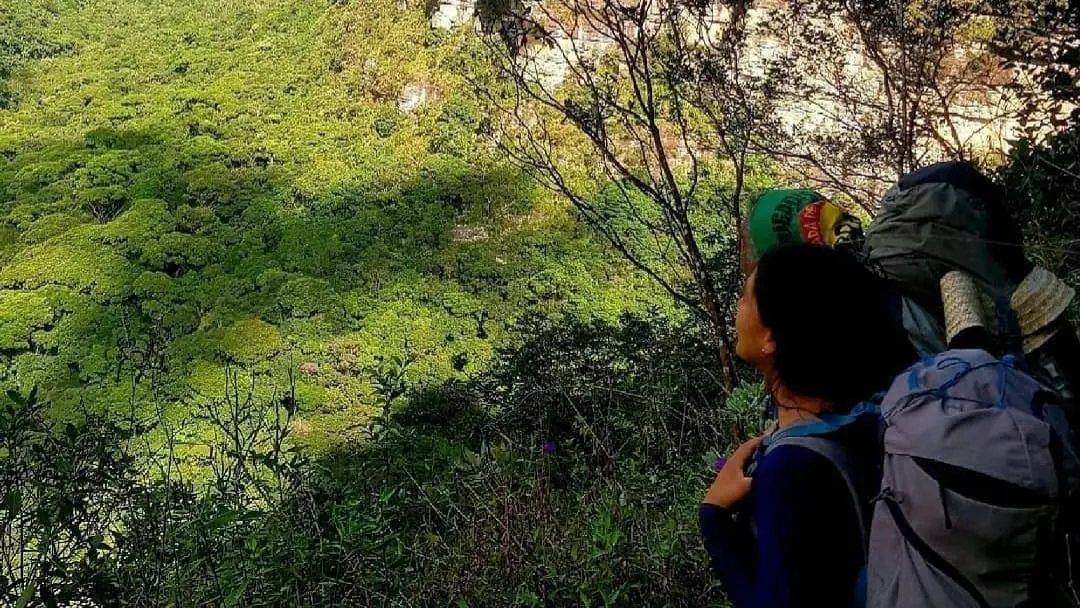
Social Responsibility in Tourism: how Chapada Diamantina contributes to the UN 2030 Agenda SDGs
Tourism can transform destinations, strengthen communities, and preserve histories. In Chapada Diamantina, Bahia, responsible tourism represents an opportunity to value local culture, generate income, promote racial equity, and contribute to the conservation of natural and cultural heritage.
More than visiting waterfalls, trails, caves, and extraordinary landscapes, traveling through Chapada Diamantina can also be an opportunity to acknowledge the people, traditions, and knowledge that make this territory unique.
In this context, social responsibility in tourism gains importance by encouraging practices that foster inclusion, respect for diversity, local economic development, and sustainability.
What is social responsibility in tourism?
Social responsibility in tourism consists of developing tourist activities while taking into account their impacts on communities, workers, culture, the environment, and the local economy.
This means understanding that tourism development must benefit not only visitors and businesses, but also the people who live in the destinations.
In practice, this commitment can involve hiring local professionals, supporting small entrepreneurs, respecting traditional communities, promoting equal opportunities, and encouraging environmental preservation.
In Chapada Diamantina, these initiatives are especially relevant due to the region's cultural diversity and the presence of communities that keep traditions, knowledge, and unique ways of connecting with the land alive.
What are the UN Sustainable Development Goals?
The Sustainable Development Goals (SDGs) are part of the United Nations (UN) 2030 Agenda, a global commitment that brings together 17 goals aimed at building a fairer, more inclusive, and sustainable world.
The goals cover issues such as poverty eradication, quality education, gender equality, decent work, reduced inequalities, responsible consumption, and ecosystem protection.
Tourism can contribute to several of these goals when it promotes economic opportunities, values cultural and natural heritage, and fosters responsible relationships among businesses, visitors, and communities.
Community-based tourism: local leadership and income generation
Community-based tourism places local communities at the center of organizing and offering travel experiences.
This model allows visitors to discover stories, ways of life, traditions, and knowledge passed down through generations, while residents share in the economic benefits of the activity.
In Chapada Diamantina, experiences developed in partnership with communities may include hikes led by local guides, traditional cuisine, handicrafts, family farming, cultural expressions, and experiences tied to the memory of the territory.
When developed participatively, this tourism helps strengthen small businesses, expand work opportunities, and celebrate cultural identity.
This approach connects especially with SDG 8 — Decent Work and Economic Growth, which encourages decent employment, entrepreneurship, and sustainable tourism.
Afrotourism: recognition of Afro-Brazilian history and culture
Afrotourism is a form of tourism that values the history, memory, knowledge, cultural expressions, and contributions of Black populations to the formation of Brazilian society.
In Bahia, this experience has a significant connection to Afro-Brazilian history, cultural traditions, and the resistance journeys of Black communities.
In Chapada Diamantina, afrotourism itineraries can help bring visibility to local memories, community traditions, cultural heritage, and stories that do not always receive proper recognition.
When developed in dialogue with communities and led by their own representatives, afrotourism can expand opportunities for Black entrepreneurs, strengthen cultural initiatives, and contribute to addressing racial inequalities.
This work connects directly with SDG 10 — Reduced Inequalities, in addition to aligning with SDG 8 and SDG 11, which focuses on sustainable cities and communities.
Education and awareness: traveling is also learning
Tourism can be a tool for education and transformation when it stimulates learning about the environment, culture, and social reality of the destinations visited.
In Chapada Diamantina, educational field trips, environmental education activities, historical itineraries, and cultural experiences can bring students and visitors closer to regional heritage.
These activities help broaden the understanding of biodiversity, natural resource conservation, local history, cultural diversity, and the vital role of communities in protecting territories.
SDG 4 — Quality Education highlights the importance of education for sustainable development, cultural diversity appreciation, and the development of conscious citizens.
Investing in tourism education also means encouraging visitors to respect trails, follow instructions from local guides, reduce waste generation, and understand the importance of preserving the places they visit.
Racial equity and equal opportunities
Social responsibility in tourism also involves recognizing historical inequalities and creating fairer opportunities for different social groups.
Promoting racial equity means valuing Black professionals, entrepreneurs, artists, producers, and leaders, ensuring visibility and participation opportunities across the tourism production chain.
Likewise, encouraging the participation of women, youth, and small entrepreneurs helps diversify economic opportunities and strengthen local businesses.
These practices are connected to SDG 5 — Gender Equality and SDG 10 — Reduced Inequalities.
For this commitment to produce concrete results, it is essential to build respectful partnerships, provide fair compensation for services, credit the authors of shared knowledge, and avoid the misappropriation of stories and cultural expressions.
Cultural preservation and heritage appreciation
Culture is an essential part of the travel experience. Traditional festivals, gastronomy, crafts, architecture, oral narratives, and traditional knowledge shape the identity of destinations.
In Chapada Diamantina, preserving this heritage means recognizing the importance of the people and communities who keep these traditions alive.
Responsible tourism can support this preservation by encouraging respectful visits, supporting cultural initiatives, and promoting the purchase of local products.
SDG 11 — Sustainable Cities and Communities includes targets related to safeguarding cultural and natural heritage. SDG 12 — Responsible Consumption and Production also relates to practices that prioritize local resources and products.
Preserving culture, therefore, does not just mean conserving historic buildings and artifacts, but also respecting the people who keep the living memory of these territories vibrant.
Environmental conservation and responsible tourism
The natural wealth of Chapada Diamantina requires care and planning. Waterfalls, rivers, trails, mountains, caves, and native vegetation areas are treasures that must be protected.
Responsible tourism encourages compliance with park regulations, waste reduction, mindful use of natural resources, and respect for local wildlife and flora.
Hiring qualified guides and properly planning tours also contribute to safer experiences and a more mindful relationship with the environment.
These practices align with SDG 15 — Life on Land, which seeks to protect ecosystems and conserve biodiversity.
Tourism sustainability therefore depends on integrating environmental conservation, cultural respect, and tangible social benefits for local communities.
Discover Chapada's commitment to more responsible tourism
Discover Chapada believes that exploring a destination goes far beyond visiting its scenery. It also means recognizing the stories, cultures, and people who make each experience special.
Our approach values Chapada Diamantina as a territory of nature, culture, knowledge, and diversity, encouraging responsible travel experiences and connecting visitors with local treasures.
Community-based tourism, afrotourism, valuing local guides and professionals, education for sustainability, and natural and cultural heritage preservation are essential paths toward more inclusive tourism development.
In alignment with the principles of the UN 2030 Agenda, social responsibility can guide choices, partnerships, and initiatives that foster opportunities and celebrate the territory.
This commitment must be built through dialogue, community participation, transparency, and monitoring results, recognizing that sustainable development is a collective effort.
How can visitors contribute?
Every traveler can help support more responsible tourism through simple actions:
Hire qualified local guides and leaders.
Explore experiences offered by regional communities and entrepreneurs.
Support local cuisine, handicrafts, and products.
Respect community traditions, beliefs, and customs.
Avoid photographing people or private spaces without permission.
Follow the rules of protected areas and visited sites.
Reduce waste and avoid wasting water and food.
Choose companies committed to ethical and transparent practices.
These choices help strengthen a tourism network that recognizes the value of people and contributes to the preservation of the destination.
Discover Chapada Diamantina more consciously
Traveling through Chapada Diamantina is an opportunity to connect with extraordinary landscapes, discover inspiring stories, and understand the cultural diversity of Bahia.
When tourism is planned responsibly, it can help generate income, strengthen communities, celebrate Afro-Brazilian culture, and foster environmental conservation.
Discover Chapada invites you to explore this territory with respect, curiosity, and awareness, embracing experiences that bring visitors closer to nature and the rich cultural fabric of the region.
Traveling responsibly means recognizing that a sustainable destination is built with everyone's participation.
Discover Chapada — enjoy authentic experiences, support local communities, and discover the essence of Chapada Diamantina.
WhatsApp: (75) 99987-6559
Website: https://discoverchapada.com.br
Discover the tours
Share
Read next
Travel tips
Electric Cars in Chapada Diamantina: Sustainable Travel
Discover how to plan an electric car trip through Chapada Diamantina, with tips on charging, range, roads, and sustainable tourism.
Travel tips
Lençóis Forró Festival 2026: dates and travel tips
Discover everything about the Lençóis Forró Festival 2026, from November 20 to 22. Experience forró and explore the beauties of Chapada Diamantina!

Travel tips
Black Friday 2026 in Chapada Diamantina | Discover Chapada
Take advantage of Black Friday 2026 to plan your trip to Chapada Diamantina. Discover tours, waterfalls, and experiences with Discover Chapada.