
Marimbus: the Mini Pantanal of Chapada Diamantina
Discover Marimbus, the Mini Pantanal of Chapada Diamantina, featuring a canoe tour, nature, Rio Roncador, and quilombola culture in Lençóis.
Translated automatically from Portuguese. Read the original
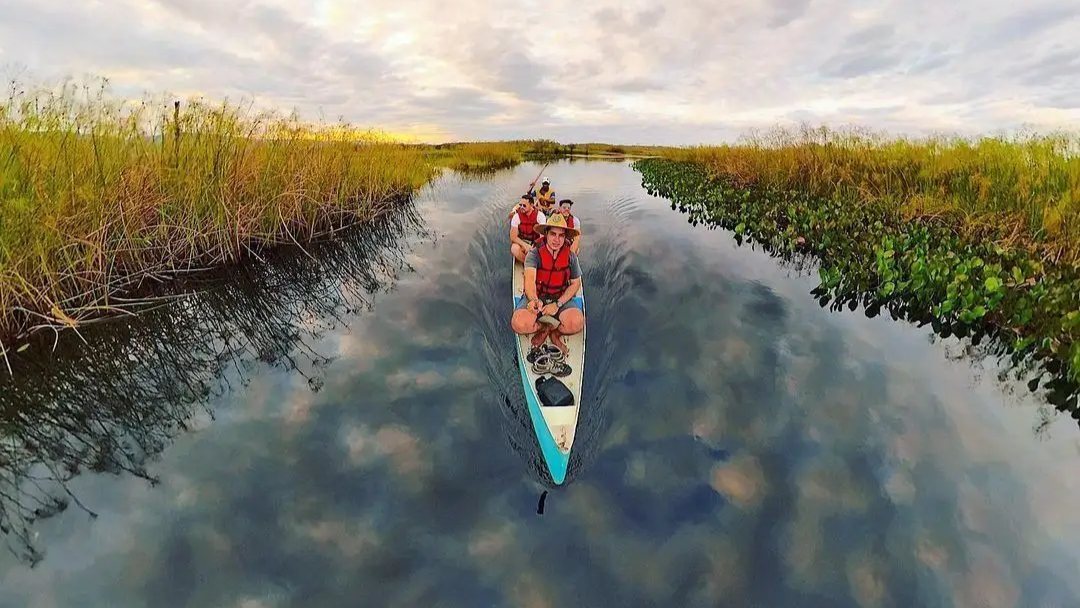
Among mountains, rivers, waterfalls, and traditional communities, Chapada Diamantina holds a surprising scenery: Marimbus, known as the Mini Pantanal of Chapada Diamantina.
Located between the municipalities of Lençóis and Andaraí, Marimbus is an extensive region of flooded areas, lagoons, rivers, and aquatic vegetation that creates a landscape completely different from the one normally associated with Chapada. The tour combines nature, tranquility, fauna and flora observation, and contact with the culture of the Remanso Quilombola Community.
Where is Marimbus?
The main access to the tour takes place through the Remanso Quilombola Community, located approximately 20 to 22 kilometers from Lençóis.
It is in the community that one of the most special experiences of the itinerary begins: navigation through Marimbus in canoes driven by local rowers.
In addition to getting to know a unique natural landscape, the visitor has the opportunity to experience a territory marked by history and quilombola culture.
A canoe tour amidst nature
The experience through Marimbus takes place mainly on the calm waters of the region.
During navigation, the scenery changes completely. Serra do Sincorá appears in the background while the canoe travels through flooded areas surrounded by vegetation, rivers, and lagoons.
The route allows observing different elements of the fauna and flora of Chapada Diamantina, including birds and aquatic plants. The tranquil landscape transforms the journey into a true experience of contemplation.
In traditional itineraries, the crossing through Marimbus can cover several kilometers of protected areas and take about an hour and a half, depending on river conditions and the chosen itinerary.
Marimbus and the Remanso Quilombola Community
More than just a natural attraction, the itinerary also represents an opportunity to learn about the history and ways of life of traditional communities in Chapada Diamantina.
The Remanso Quilombola Community has a historical relationship with the rivers and the territory. The tour carried out with local residents and rowers helps bring the visitor closer to this culture and contributes to strengthening community-based tourism.
Therefore, getting to know Marimbus is also valuing the people who live and work in this territory.
Rio Roncador: nature and swimming
Many itineraries combine the Marimbus tour with a visit to Rio Roncador.
After navigation, there may be a hike to areas of Roncador, where natural pools and water sections suitable for swimming are located, according to local conditions.
The contrast between the calm navigation through Marimbus and the waters of Roncador makes the itinerary even more complete.
Why is Marimbus called Mini Pantanal?
The nickname arose because of its wetland characteristics, with interconnected lagoons, calm waters, and rich aquatic vegetation.
The Marimbus system receives water from different rivers in the region and forms a landscape quite different from the traditional rupestrian fields, mountains, and waterfalls found in other areas of Chapada Diamantina.
It is precisely this diversity of environments that makes Marimbus such a special place for those who wish to experience Chapada Diamantina beyond the traditional itineraries.
Nature tourism and community-based tourism
The tour through Marimbus is an excellent opportunity to practice tourism more connected to the territory.
The use of local services, such as rowers and guides from the Remanso Community, allows part of the tourism experience to remain within the community itself.
For the visitor, this means much more than seeing a landscape: it means traveling, learning, respecting, and contributing to the communities that are part of the history of Chapada Diamantina.
When to visit Marimbus?
The tour can be carried out at different times of the year, but navigation conditions and river levels may vary according to the rains and the natural dynamics of the region.
Therefore, before doing the itinerary, it is important to check the conditions of the attraction and rely on local guidance.
The experience may also vary according to the contracted itinerary, weather conditions, and water levels.
What to bring for the tour?
To make the most of the experience, it is recommended to bring:
Sunscreen;
Repellent;
Hat or cap;
Sunglasses;
Water;
Comfortable clothing;
Swimwear;
Appropriate footwear for walking;
Small towel;
Camera or cell phone protected from water.
It is also important to respect the guides' instructions and preserve the environment throughout the tour.
Live the Marimbus experience with Discover Chapada
Getting to know Marimbus, the Mini Pantanal of Chapada Diamantina, is discovering another side of one of the most fascinating natural destinations in Bahia.
The experience brings together canoeing, nature, flooded landscapes, quilombola culture, rivers, and moments of tranquility, creating an ideal tour for those who want to step off the conventional itinerary and experience Chapada in a more authentic way.
Discover Chapada can organize your experience from Lençóis, connecting transportation, local guidance, and the main highlights of the itinerary.
Want to visit the Mini Pantanal of Chapada Diamantina?
Book your experience in Marimbus and discover Chapada Diamantina along the paths of nature and local culture.
Discover the tour
Share
Read next
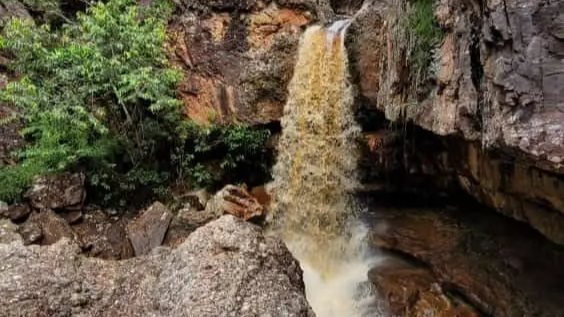
Trekking
Parque da Muritiba in Lençóis: nature, history and pools
Discover Parque da Muritiba in Lençóis, featuring natural pools, waterfalls, lookouts and the famous Circuito Serrano in Chapada Diamantina.
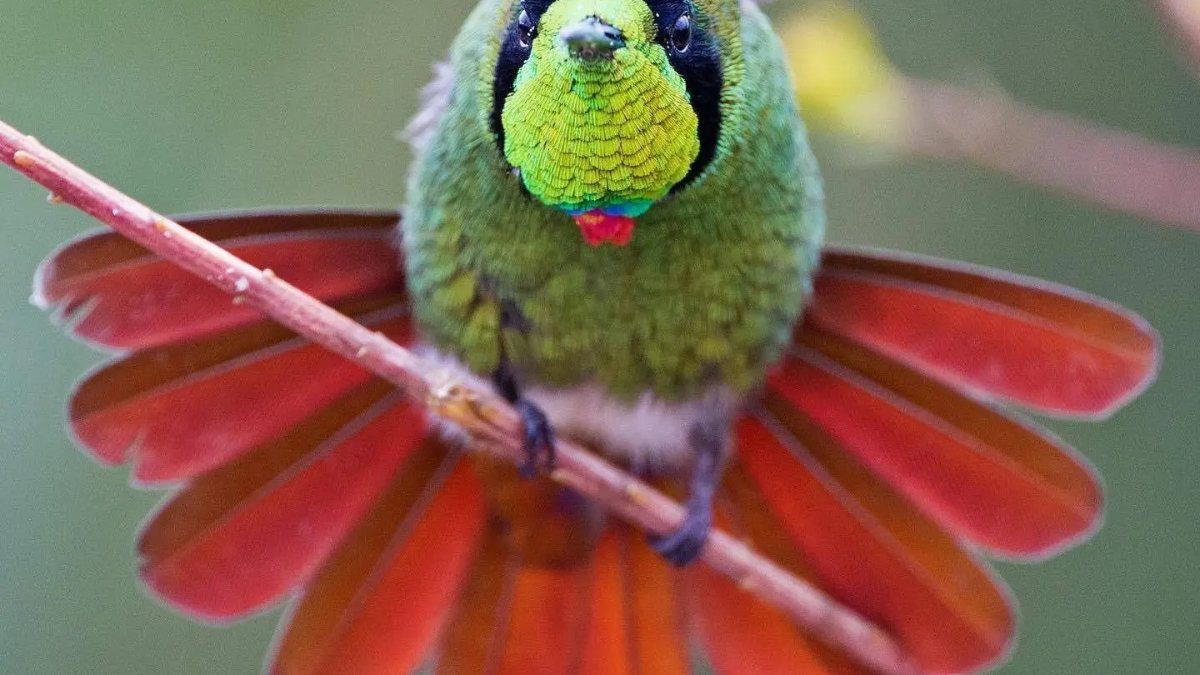
Birdwatching
Birdwatching in Chapada Diamantina: Bird Watching
Discover birdwatching in Chapada Diamantina: birds, itineraries, Marimbus, Lençóis, Mucugê, Itaetê, and tips for observing nature.

Turismo de Base Comunitária
Community-Based Tourism in Chapada Diamantina
Discover a different Chapada: get to know communities, flavors, stories, and waterfalls through Community-Based Tourism in Itaetê.