
Community-Based Tourism in Chapada Diamantina
Discover a different Chapada: get to know communities, flavors, stories, and waterfalls through Community-Based Tourism in Itaetê.
Translated automatically from Portuguese. Read the original
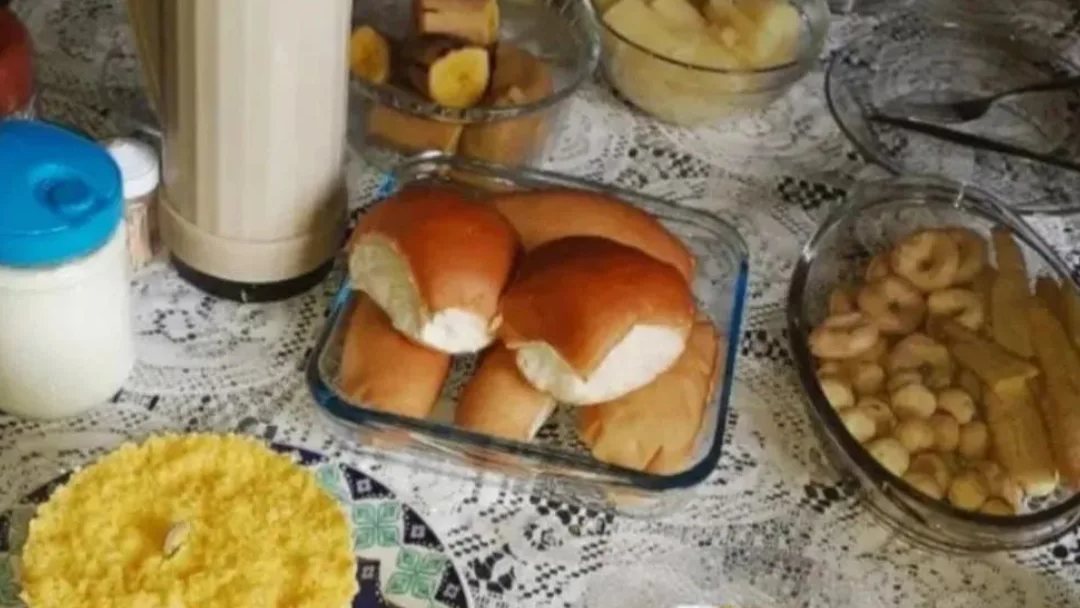
Chapada Diamantina is known worldwide for its mountains, waterfalls, caves, rivers, and trails. But there is another Chapada, equally special, that can be discovered through the people who live in the territory, their knowledge, their cuisine, their stories, and their relationship with the land.
It is in this context that Community-Based Tourism (CBT) gains strength.
More than visiting an attraction, community tourism provides travelers with the opportunity to get to know communities, share experiences, and understand different ways of living and caring for the territory.
In Chapada Diamantina, one of the experiences that represents this model is in Itaetê, in Bahia, where rural communities have developed itineraries that combine nature, family farming, culture, gastronomy, handicraft, guesthouses, and trails.
What is Community-Based Tourism?
Community-Based Tourism is a way of doing tourism in which the community itself actively participates in the organization and conduction of the experiences.
According to the Ministry of Tourism, CBT values the protagonism of host communities, participation in decisions, collective benefits, cultural appreciation, the protection of nature, and the exchange of knowledge between visitors and residents.
In practice, this means that the visitor is not just a spectator.
They come into contact with people, stories, flavors, productive activities, and cultural expressions that are part of the daily life of that territory.
It is a way to travel more consciously and create connections that go far beyond a photograph.
In Corners of Chapada Diamantina
In Itaetê, the project “Em Cantos da Chapada Diamantina” brings together Community-Based Tourism experiences in rural communities and settlements.
Among the territories involved are Baixão, Europa, Roseli Nunes, and the village of Colônia. The itineraries were structured to integrate natural and cultural attractions into the lives of the communities.
Visitors can find experiences that involve:
family farming;
productive backyards;
traditional cuisine;
flour houses;
guesthouse stays in residents' homes;
handicraft;
trails;
waterfalls;
conversation circles;
artisanal production;
cultural expressions;
direct contact with residents.
It is a proposal that makes the community the protagonist of the tourism experience.
Baixão Settlement: agriculture, nature, and hospitality
The Baixão Settlement has a strong relationship with family farming.
Families produce foods such as cassava, yam, sweet potato, corn, pumpkin, beans, fruits, vegetables, peanuts, manioc, and sugar cane, among other products.
The tourism experience can include visits to small plots and productive backyards, harvesting activities, contact with local production, artisanal flour houses, and swimming moments in the Una River.
The itinerary can also provide a cultural night with community residents, creating space for conversations and the exchange of experiences.
It is precisely this closeness that differentiates community tourism: visitors get to know not only the place, but also the people who make that territory a special place.
Europa Settlement: flavors, handicraft, and culture
In the Europa Settlement, the experience is strongly linked to agroecological production, handicraft, and culture.
The community has productive backyards, artisanal production of rapadura, and works made with materials such as straw, banana fiber, vine, fabrics, crochet, river stones, and recycled materials.
The community also has a Casa de Jarê, an African-derived religious expression, in addition to traditional knowledge related to handicraft and the production of homemade remedies.
For those who wish to experience a deeper and more human Chapada, experiences like this show that a destination's heritage is not just in its landscapes.
It is also in the knowledge transmitted between generations.
Roseli Nunes: history, production, and nature
The Roseli Nunes Settlement is among the oldest settlements in Itaetê.
The territory has a Community Flour House and is also a starting point for experiences that lead to places like Lapa do Bode, Poço Encantado, Poço Azul, and Invernada Waterfall.
The community also has a brigade for the prevention and combat of forest fires, reinforcing the relationship between residents, territory, and environmental conservation.
Colônia: rural tradition and hospitality
The village of Colônia has a history linked to rural occupation that began in the 1950s.
Currently, the location brings together commerce, guesthouse services, and restaurants, in addition to the artisanal production of organic rapadura and backyards with agroecological foods.
Colônia also works as a starting point for waterfalls such as Roncador, Herculano, and Bom Jardim.
It is an example of how a community can integrate rural production, culture, hospitality, and nature into a tourism experience.
Waterfalls and trails: nature with local protagonism
Community-Based Tourism in Itaetê also allows visitors to explore waterfalls and trails that are off the beaten path of Chapada's most traditional itineraries.
Among the attractions are:
Herculano Waterfall
An experience that combines walking, contact with vegetation, and arrival at one of the region's waterfalls.
Access is carried out with local accompaniment, and the route may require physical preparation.
Roncador Waterfall
Also accessed from the Colônia region, Roncador Waterfall integrates nature and community experience.
Bom Jardim Waterfall
The itinerary to Bom Jardim combines travel, walking, and contact with the region's rural landscape.
Encantada Waterfall
Located near the Baixão Settlement, Encantada Waterfall features a route considered of medium difficulty and requires greater willingness for walking.
On all these itineraries, it is important to consider route conditions and have local guidance.
Gastronomy as part of the experience
In Community-Based Tourism, eating is also a way to get to know the territory.
In Itaetê, cuisine is directly related to the production of the communities themselves.
Among the traditional foods and dishes found on the itineraries are:
free-range chicken, pirão (manioc paste), cactus palm stew, corn porridge, pamonha, green papaya, green beans, pigeon peas, beiju, cassava, yam, pumpkin, fruits, and vegetables.
Much of the ingredients used in meals come from the families' own productive backyards and plots.
Thus, a meal is no longer just a stop during the tour and becomes part of the cultural experience.
Guesthouse stays in residents' homes
One of the most striking characteristics of Community-Based Tourism is the possibility of staying in homes within the communities themselves.
In Itaetê, there are families who welcome visitors and offer accommodation and food.
This modality provides an experience different from conventional lodging.
It is an opportunity to wake up in a rural environment, talk to residents, learn about their routine, and experience hospitality built upon community life.
Why choose Community-Based Tourism?
Choosing a CBT experience means contributing to a tourism chain closer to the communities.
The model can help to:
Value local culture
Knowledge, recipes, stories, handicraft, and cultural expressions gain space and recognition.
Strengthen the local economy
Income can circulate directly among families offering accommodation, food, guiding, handicraft, and other services.
Value family farming
Products cultivated by the families themselves can be part of the tourism experience.
Stimulate environmental conservation
The relationship between tourism, territory, and conservation can strengthen local nature protection initiatives.
Create true encounters
The traveler is no longer just an observer and starts participating in an exchange experience.
Incra itself highlights that community tourism developed in the settlements of Itaetê seeks to promote self-management, cooperativism, cultural appreciation, and income generation for families.
Tourism with a purpose in Chapada Diamantina
Traveling through Chapada Diamantina can mean much more than visiting waterfalls and mountains.
It can mean sitting at the table with a family, listening to a story, learning about the cultivation of a food, visiting a flour house, walking along a trail led by someone who knows the territory, or simply talking to whoever lives there.
Community-Based Tourism shows that a trip can generate benefits for hosts and, at the same time, provide visitors with a more authentic experience.
In Chapada, nature and culture walk side by side.
Experience a more authentic Chapada
If you are looking for a different way to experience Chapada Diamantina, include Community-Based Tourism experiences in your itinerary.
Get to know Itaetê, its communities, its flavors, its waterfalls, its artisans, farmers, and stories.
At Discover Chapada, we believe that traveling is also about creating connections and valuing those who live in and care for the territory.
Get to know Chapada. Experience the communities. Value those who are part of this history.
Get in touch with Discover Chapada and plan a Community-Based Tourism experience in Chapada Diamantina.
Share
Read next
Birdwatching
Birdwatching in Chapada Diamantina: Bird Watching
Discover birdwatching in Chapada Diamantina: birds, itineraries, Marimbus, Lençóis, Mucugê, Itaetê, and tips for observing nature.
Tips
Chapada Diamantina: Complete Guide to Exploring the Destination
Discover Chapada Diamantina: waterfalls, trails, Vale do Pati, caves, and incredible landscapes. Plan your trip and live this experience.
Sincorá Expedition
Sincorá Expedition: 6 Days of Adventure in Chapada Diamantina
Experience the Sincorá Expedition in Chapada Diamantina: 6 days between Vale do Pati, Buracão, Fumacinha, Poço Azul, and Poço Encantado. Book your adventure!