
Birdwatching in Chapada Diamantina: Bird Watching
Discover birdwatching in Chapada Diamantina: birds, itineraries, Marimbus, Lençóis, Mucugê, Itaetê, and tips for observing nature.
Translated automatically from Portuguese. Read the original
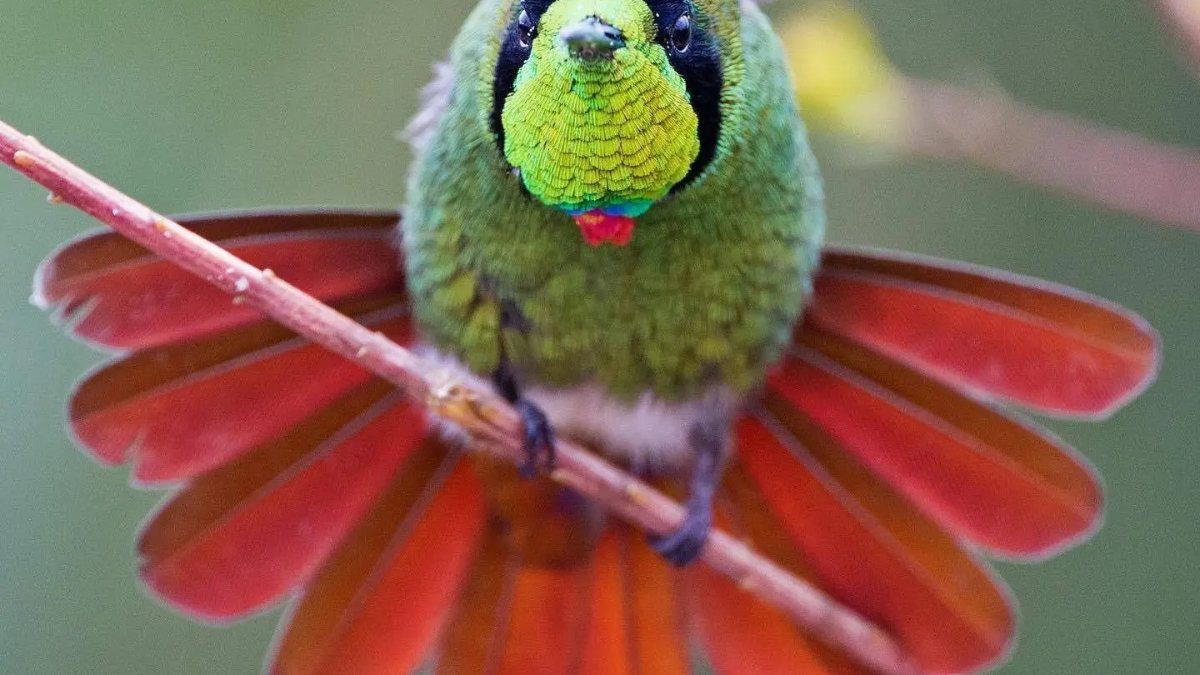
Imagine walking through the mountains of Chapada Diamantina in the early morning hours, when nature begins to awaken. The silence of the trails is interrupted by the song of different species, while hummingbirds, antbirds, thrushes, and other birds liven up the landscape.
This is the experience of birdwatching, or bird watching, an activity that is gaining more and more ground among travelers seeking nature, photography, and knowledge experiences.
In Chapada Diamantina, the activity finds a privileged setting. The region's diversity of environments—with rocky fields (campos rupestres), Caatinga, Cerrado, riparian forests, and forest areas—fosters a rich diversity of birds. The catalog of the Ministry of Tourism points out 384 observable species in the Chapada Diamantina National Park.
What is birdwatching?
Birdwatching is the practice of observing birds in their natural environment.
For some people, it starts as a different tour during a trip. For others, it turns into a true passion, involving photography, species identification, research, and biodiversity records.
More than simply looking for birds, observing nature is learning to perceive nature in another way.
The visitor starts to pay attention to sounds, movements, vegetation, activity times, and characteristics of each species.
In Chapada Diamantina, this experience gains even more meaning due to the variety of environments found in the same region.
Why is Chapada Diamantina so special for bird watching?
One of Chapada's great differentials is its mosaic of plant formations.
The region brings together elements of different natural environments, which contributes to the presence of a wide variety of birds. The Chapada Diamantina Guide highlights precisely this combination of Caatinga, Atlantic Forest, and Cerrado as one of the factors that explain the diversity of the regional avifauna.
This diversity makes it possible to create different itineraries according to the environment the visitor wants to explore.
There are possibilities in mountain areas, rocky fields, forests, rivers, wetland areas, and rural communities.
Emblematic birds of Chapada Diamantina
Among the species that catch the attention of observers are some birds especially associated with the region.
Glow-throated hummingbird
The glow-throated hummingbird (Augastes lumachella) is one of the most emblematic species of Chapada Diamantina.
The small hummingbird is associated with high-altitude environments and is considered one of the highlight species in the region's observation itineraries.
The catalog of the Ministry of Tourism includes the species among the emblematic birds of the Chapada Diamantina National Park.
Sincorá antwren
Another highlight is the Sincorá antwren (Formicivora grantsaui), a species associated with the Serra do Sincorá.
Records of this bird are related to areas of Mucugê and also to the vicinity of Morro do Pai Inácio.
Horned sungem
The horned sungem (Heliactin bilophus) is also among the emblematic birds presented by the Ministry of Tourism for the Chapada Diamantina destination.
In addition to these species, observers can find a wide variety of birds depending on the season, environment, and chosen itinerary.
Where to watch birds in Chapada Diamantina?
Bird watching can be carried out in different parts of Chapada.
Morro do Pai Inácio
Morro do Pai Inácio, in Palmeiras, is one of the traditional locations for the activity.
In addition to the famous panoramic landscape, the region presents environments favorable to the observation of characteristic species of the rocky fields.
The location is also associated with the presence of the glow-throated hummingbird.
Marimbus
Marimbus is one of the most interesting experiences for those who want to combine birdwatching and a nature tour.
Known as the "pantanal of Chapada", the environment has flooded areas and watercourses that favor the presence of birds associated with aquatic environments.
In a field activity carried out in Marimbus, at least 33 species were recorded in approximately two hours of observation. Among them were herons, gallinules, and other waterbirds.
The experience shows how different environments can reveal different groups of birds.
Remanso
The Remanso region, in Lençóis, also has great potential for bird watching.
In addition to biodiversity, the location allows combining the birdwatching experience with community-based tourism, bringing the visitor closer to the quilombola community and their knowledge of the territory.
Barro Branco
The community of Barro Branco, in Lençóis, also appears among the indicated locations for bird watching itineraries in Chapada Diamantina.
Mucugê and Guiné
The Mucugê region and the road towards the village of Guiné are also part of the bird watching itineraries indicated for Chapada.
These areas offer landscapes of rocky fields and different plant formations, creating opportunities to find species characteristic of these environments.
Itaetê
Itaetê also stands out as a destination for bird watching and nature tourism experiences.
The possibility of integrating birdwatching into Community-Based Tourism makes the experience even more special, allowing visitors to get to know the biodiversity and, at the same time, strengthen local community initiatives.
Marimbus: birdwatching and knowledge tourism
Observing birds can also be an opportunity to learn.
An interesting example happened in Remanso, where a field activity in Marimbus involved students from the community and a biologist.
The experience brought together observation, research, local knowledge, and environmental education. The students also shared information about birds known by older residents, including songs, stories, and cultural manifestations related to the animals.
This type of initiative shows that bird watching can go beyond the concept of a tourist tour and turn into a tool for environmental education and appreciation of local knowledge.
What is the best time to watch birds?
The early morning hours are among the best moments for the practice.
During this period, many birds are more active, vocalizing and looking for food.
The late afternoon can also provide good observation opportunities.
An experience carried out in Marimbus showed that the period between 09:00 and 11:00 was not considered the most favorable, reinforcing the importance of choosing appropriate times to increase the possibilities of sighting.
Therefore, those who really want to get to know the avifauna of Chapada may need to start the tour very early.
What to bring for a birdwatching tour?
For a more comfortable experience, some items can make a difference:
Binoculars;
Camera, if you want to record the species;
Appropriate footwear for walking;
Comfortable and discreet clothing;
Sun protection;
Water;
Notebook or app to write down records;
Bird identification guide.
The most important thing, however, is to bring patience and attention.
The bird does not always appear immediately. Often, first you hear the song, notice movement among the leaves, and only then manage to visualize the animal.
How to watch birds without interfering with nature?
Birdwatching is an activity based on contemplation and respect for animals.
During observation, it is important:
Keep silent: sudden sounds and movements can scare the birds away.
Keep distance: never try to get too close to get a photograph.
Do not chase animals: observation must happen without altering the bird's natural behavior.
Do not touch nests or chicks: even if they seem abandoned, they may be cared for by the adults.
Do not feed birds: artificial feeding can alter the natural behavior of the animals.
Respect trails and protected areas: staying in permitted locations helps conserve the habitat.
The Ministry of Tourism also recommends walking slowly, avoiding sudden movements, wearing discreet colors, keeping a distance, and using binoculars during the activity.
Birdwatching and environmental conservation
Bird watching has a very close relationship with conservation.
When a person learns to identify a species, they come to better understand its habitat and the importance of preserving it.
Observers can also contribute with biodiversity records and encourage the protection of natural areas.
In Chapada Diamantina, this relationship is especially important because many species depend on specific environments, such as rocky fields, forests, rivers, and high-altitude areas.
ICMBio itself highlights its interest in stimulating the development of bird watching in the region of the Chapada Diamantina National Park.
Birdwatching: a new way to experience Chapada
For those who already know the waterfalls, mountains, and trails of Chapada, bird watching presents a new way to see the destination.
A trail is no longer just the path to a waterfall.
It becomes an opportunity to observe species, hear songs, identify plants, and understand the relationship between fauna and flora.
The visitor begins to notice details that often go unnoticed.
And perhaps this is one of the greatest riches of birdwatching: teaching how to travel slower and observe more.
Live the birdwatching experience in Chapada Diamantina
Chapada Diamantina offers an extraordinary setting for those who want to unite nature, photography, knowledge, conservation, and adventure.
From the rocky fields of Morro do Pai Inácio to the flooded areas of Marimbus, passing through Lençóis, Mucugê, Guiné, and Itaetê, there are different environments to discover the region's diversity of birds.
At Discover Chapada, we believe that getting to know a destination also means learning to see it in new ways.
Prepare your binoculars, wake up early, and come discover Chapada through the song of birds.
Get in touch with Discover Chapada and plan your bird watching experience in Chapada Diamantina.
Share
Read next

Turismo de Base Comunitária
Community-Based Tourism in Chapada Diamantina
Discover a different Chapada: get to know communities, flavors, stories, and waterfalls through Community-Based Tourism in Itaetê.
Tips
Chapada Diamantina: Complete Guide to Exploring the Destination
Discover Chapada Diamantina: waterfalls, trails, Vale do Pati, caves, and incredible landscapes. Plan your trip and live this experience.
Sincorá Expedition
Sincorá Expedition: 6 Days of Adventure in Chapada Diamantina
Experience the Sincorá Expedition in Chapada Diamantina: 6 days between Vale do Pati, Buracão, Fumacinha, Poço Azul, and Poço Encantado. Book your adventure!